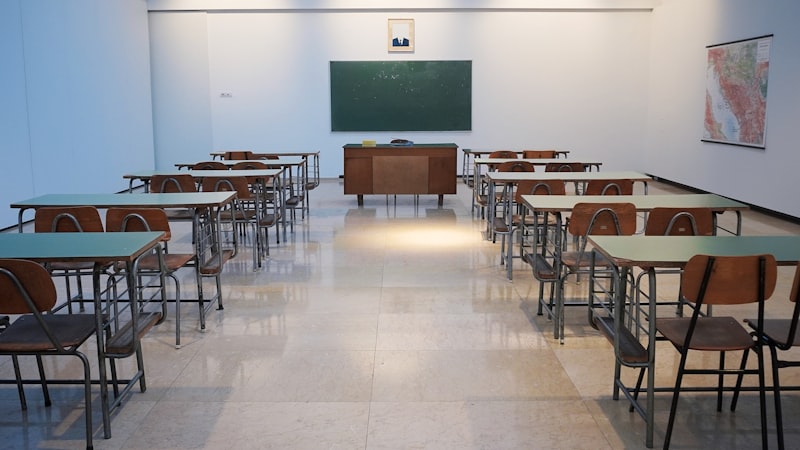
Pattaya has one of the strongest concentrations of international schools in Southeast Asia outside Bangkok. For expat families, the quality and variety of schooling options is one of the city's biggest draws. This guide covers the main schools, what to expect, and how to choose the right one for your child.
In this guide
Top International Schools in Pattaya
Regents International School is part of the Nord Anglia Education network — one of the world's leading premium school groups. It offers the British National Curriculum with boarding options and consistently achieves excellent results. One of the most prestigious options in Pattaya.
St Andrews International School Green Valley was founded in 1996 and is the only Gold-rated school in Thailand. It offers both the British curriculum and IB, and is widely considered one of the best schools in the region.
International School Eastern Seaboard (ISE) was founded in 1994 and offers the American curriculum plus IB for ages 3–18. One of the most established schools in the area.
Rugby School Thailand is the first international outpost of the prestigious Rugby School (founded 1567). Offers the British curriculum with a strong boarding programme.
Mooltripakdee International School (MIS) offers the British curriculum (Cambridge IGCSE) for ages 2–18 in a green, spacious campus.
Curriculum Options
Pattaya's international schools offer several curriculum options:
British National Curriculum / Cambridge IGCSE: The most common choice among British and Commonwealth expats. Leads to GCSE and A-Level qualifications recognised worldwide.
International Baccalaureate (IB): Offered by several schools as an alternative or alongside the British curriculum. Highly regarded globally and excellent for university applications.
American Curriculum: Offered by ISE and a few others. Leads to US High School Diploma.
Bilingual (Thai/English): Several schools offer bilingual programmes — good for families planning to stay long-term in Thailand.
School Fees
International school fees in Pattaya are significant but considerably lower than equivalent schools in the UK, Australia, or Singapore:
- Budget international schools: 150,000–300,000 THB/year
- Mid-range international schools: 300,000–500,000 THB/year
- Premium schools (Regents, St Andrews, Rugby): 500,000–900,000 THB/year
Most schools charge registration fees, building levies, and activity fees on top of tuition. Budget for 10–20% above the quoted tuition fee for total annual costs.
Many employers in the Eastern Seaboard industrial corridor provide school fee allowances as part of expat packages.
Choosing the Right School
Key factors to consider when choosing a school in Pattaya:
1. Curriculum continuity: If your child will return to your home country for university, choose a curriculum that aligns (British for UK, IB for international flexibility)
2. Location: Schools are spread across the Pattaya area — consider commute time from your home
3. Class sizes: Smaller schools offer more individual attention; larger schools offer more extracurricular options
4. Visit in person: All schools offer tours — always visit before deciding
5. Ask other expat parents: The expat community is the best source of honest school reviews
Frequently Asked Questions
What is the best international school in Pattaya?
St Andrews International School Green Valley is widely considered the top school in Pattaya — it's the only Gold-rated school in Thailand and offers both British curriculum and IB. Regents International School is the most prestigious for boarding. The 'best' school depends on your child's age, your curriculum preference, and your budget.
Are there good schools for young children (under 5) in Pattaya?
Yes — most international schools have Early Years programmes from age 2 or 3. The International School of Chonburi (ISC) is particularly well-regarded for primary-focused education. Bunny Shake Café area also has several good nurseries.
Do international school children need to speak Thai?
No — international schools teach entirely in English (with Thai language as a subject). Some bilingual schools teach subjects in both English and Thai.